本帖最后由 杨宗泽 于 2025-12-2 20:38 编辑
尤里·塔尔韦特诗选(八) 杨宗泽编译
Selected Poems of JÜRI TALVET (Set Eight) Compiledand translated by Yang Zongze 秋天的语言
在那个名叫巴莱的拉脱维亚村庄里, 那些金色的桦树和红枫, 它们说拉脱维亚语呢 还是秋天的语言? 它们真的有 初始字母B(乳房,双眼井—— 深度在深度之间扩展)吗? 在广袤的非符号化空间的边界, 我对着虚无呐喊。 词语 在空气中破碎。
The Language of Autumn
Do the golden birches and crimson maples in the Latvian villagenamed Bāle speak Latvian or thelanguage of autumn? Do they really have the initial B(breasts, a double well – depthspread across depth)? At the vast frontier of non-semiotized space I shout againstnothingness. Words shatter in the air.
圣母的奇迹
一位歌手—— 一位意大利美女歌手 突然在收音机的金属暮色中复活: 一首代表着另一种时光和美的歌曲! 就连瘫痪的祖父也为之一振, 像一个暑假后第一天早晨上学的小男孩一样 从床上跳起来: “把音量调大,不要让她溜走! 我要永远听到她的歌喉, 即使在被埋在地下棺材里, 我也要听她的歌!”
MIRACLE OFTHE VIRGIN
A singer – a gorgeousItalian woman from other times – suddenlycame to life in the radio’s metallicdusk: a song of other times, of otherbeauty! Even the paralyzedgrandfather perked up, sprang from bed like aschoolboy on the first day of his summerholidays: “Turn it up, turn it up, don’t lether get away – I must listen to heralways, even in my coffin, underthe earth!”
一个老故事
绝望的哈姆雷特在为祖国的自卫战争写诗。 首相是年迈的克劳狄斯, 他在喋喋不休地谈论祖国的荣誉, 心思却痴迷于格特鲁德花园里那欲火烈烈的灌木。 格特鲁德是前外交部长, 是一个双腿修长的年轻女子, 她曾是一名特工, 让七个詹姆斯·邦德栽了跟头。 现在她带着狡黠的笑容, 用科学术语向记者解释, 祖国的目标是摧毁敌人的基础设施, 并且祖国最聪明的人发明了一种导弹, 它会在夜晚趁敌人熟睡之际, 将那些基础设施瞬间变成黑洞—— 且不会惊动里面的女人和儿童。 哈姆雷特自杀了, 克劳狄斯与格特鲁德 在格特鲁德花园里私通, 外面的人们在高喊:祖国!祖国!
* 詹姆斯·邦德是英国著名的虚构特工形象。他通常被描绘为英俊潇洒、机智勇敢、身手不凡,擅长使用各种高科技武器和装备,执行各种危险的秘密任务。 ——译者注。
AN OLD STORY
Despairing Hamletcomposes poems against the war waged by hisfatherland. The prime minister is aging Claudius who drones onabout the fatherland’s honor, but whose thoughtsobsess over the burning bush in Gertrude’s garden.Gertrude is an ex-foreign minister, a young woman withlong legs, a former spy who spun the heads ofseven James Bonds and now with a slysmile explains to journalists in scientific languagethat the goal of the fatherland is to annihilate theenemy’s infrastructure and that thefatherland’s best and brightest have invented a missile that atnight, when the enemy is in bed asleep, turns that infrastructureinto a black hole – without everdisturbing the infrastructure’s wife and littledaughter. Hamlet commits suicide. Claudius fornicateswith Gertrude, and outside the people chant:fatherland! fatherland!
它从不质疑骨纹
移民局采集了 用于护照的指纹。 沙土铺就的街道。一个合格的公民, 还能再当五年。白杨木浆制成的纸张。 再往前五十米—— 便是墓地的大门,里面 是世界公民的墓地,埋葬着那些 国家不会索要其遗体 也不会质疑其骨纹的人们。
WHOSE BONEPRINTS IT DOESN’T QUESTION
The immigration officesecures a thumbprint for thepassport. Sand street. A propercitizen for five more years.Poplar pulp. 50 meters farther– the graveyard gate,and beyond it world citizens, thosewhose bodies the statedoesn’t solicit, whose bone-prints itdoesn’t question.
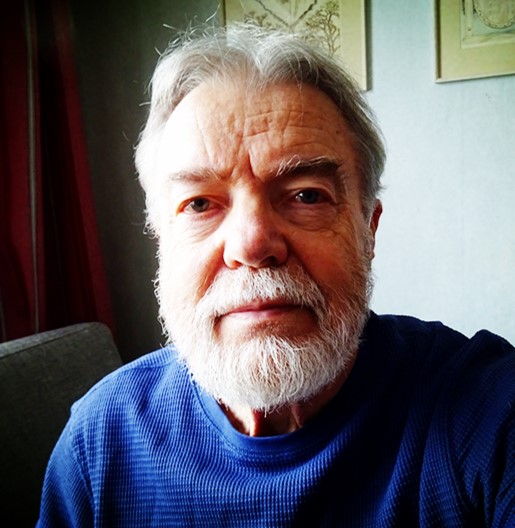
file:///C:/Users/ADMINI~1/AppData/Local/Temp/msohtml1/01/clip_image002.jpg [作者简介]尤里·塔尔韦特(JÜRITALVET):爱沙尼亚当代著名诗人、作家、翻译家、学者。1981年获圣彼得堡大学西班牙语哲学博士学位,1996年以来,在教学之余一直致力于一本比较文学杂志《国际文学》的编辑工作;1994到2010年间,曾任爱沙尼亚国际比较文学协会会长,1992年以来,尤里·塔尔韦特一直在爱沙尼亚塔尔图大学任世界担任文学教授,系国际比较文学协会执委,2016年当选欧洲科学院院士。其诗歌、散文和哲学著述被翻译为英语、汉语、西班牙语、法语、加泰罗尼亚语、罗马尼亚语和意大利语等十多种语言发表或出版,作品在国内外多次获得奖项。已有诗集、散文集、哲学论述集和翻译著作三十余部在国内外出版,其主要著作有《醒》(诗集),《来自梦,来自雪》(诗集),和《而爱,照亮我们》(诗集),《西班牙精神》(散文随笔集),《不可逆转的边缘》(文化随笔集),《文化哲学的反射》(哲学随笔集)等。 Jüri Talvet was born in 1945 in Pärnu (Estonia). A graduate of the University of Tartu(1972) and a PhD by Leningrad (St. Petersburg) University (1981), he chaired from 1992 to 2020 World /Comparative Literature program at Tartu University, where he alsofounded Spanish Studies. Today he is Professor Emeritus. In 2016 he was electedmember of Academia Europaea. He has published in Estonian more than twentybooks of poetry and essay. His books have appeared beyond Estonian in English,Spanish, French, Italian, Russian, Romanian, Serbian, Japanese, Catalan, Greekand Macedonian translation. In Estonian, he has published a monograph on JuhanLiiv’s philosophic-lyrical poetry Juhan Liivi luule (Tallinn, 2012), while hisCritical Essays on World Literature, Comparative Literature and the"Other" (Cambridge Scholars Publishing, 2019) importantly concernsaspects of ethical literary criticism. Since 1996 he has acted as the maineditor of Interlitteraria, international journal for comparativeliterature. He has been awarded EstonianAnnual Prize of Literature for essay (1986), Juhan Liiv Prize of Poetry (1997),Ivar Ivask Memorial Prize (essay, poetry, 2002) Naji Naaman InternationalLiterature Honor Prize (for complete works, 2020), Estonian National SciencePrize for Lifework (2021), Jaan Kross Literary Prize (for world poetrytranslations, 2022), "Golden Ivy" International Poetry Prize (Fushun,China, 2022), International Aco Karamanov Poetry Prize (North-Macedonia, 2023),etc. For further data, including his full lists of publications, seehttp://talvet.edicypages.com/en ;https://sisu.ut.ee/ewod/t/talvet
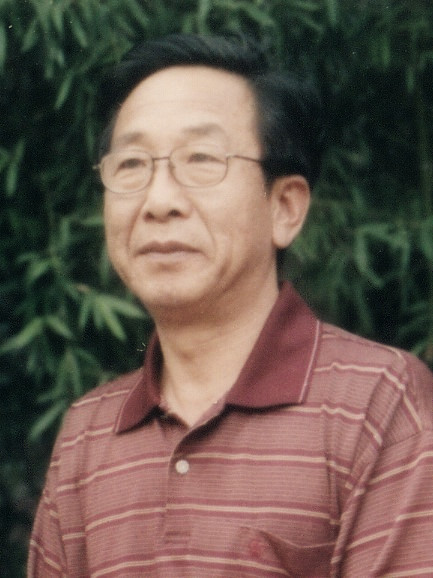
file:///C:/Users/ADMINI~1/AppData/Local/Temp/msohtml1/01/clip_image004.jpg 【译者简介】杨宗泽 (1953 — )笔名:瘦路,山东平度人,毕业于山东师范大学外文系英美语言文学专业,中学退休教师,无党派,中国作家协会会员,诗人,翻译家,后意象主义诗歌流派代表性诗人之一。1999年12月被美国世界作家艺术家协会评选为1999年度最佳翻译家,2024年12月被《中国当代诗歌导读》编委会授予第七届诗歌奖。已有诗集《浪漫季节》、《沉浮》和诗歌翻译集《贺敬之短诗选》、《吉狄马加诗选》、《桑恒昌短诗选》、《伊曼纽尔•马休诗选》等33种著作在国内外出版。杨宗泽的诗关注人生和人性、关注现实和社会问题、关注底层社会的生存状态。 Yang Zongze (1953 — ), his pen name: Narrow Path;was born in Pingdu City, Shandong Province; graduated from English Language andLiterature Department of Shandong Normal University; retired middle schoolteacher; nonparty; poet, poetry translator, one of the representative poets ofthe post-Imagist poetry school. In December 1999, he was selected as the BestTranslator of 1999 by the American Society of World Writers and Artists. InDecember 2024, he was awarded the title of excellent poet of the Seventh PoetryAward by the editorial board of the Guide for Reading of Chinese ContemporaryPoetry. Thirty-two books of his have been published at home and abroad,including a collection of poems titled MyRomantic Season and Winter WithoutSnow,and collections of translatedpoems titled Selected Poems of HeJingzhi, Selected Poems of Jidi Majia, Selected Poems of Sang Hengchang and Selected Poems of Emmanuel MAHIEU. Yang Zongze's poetry focuses onlife and human nature, realistic society and important societal issues as wellas the living conditions of the bottom society.
|